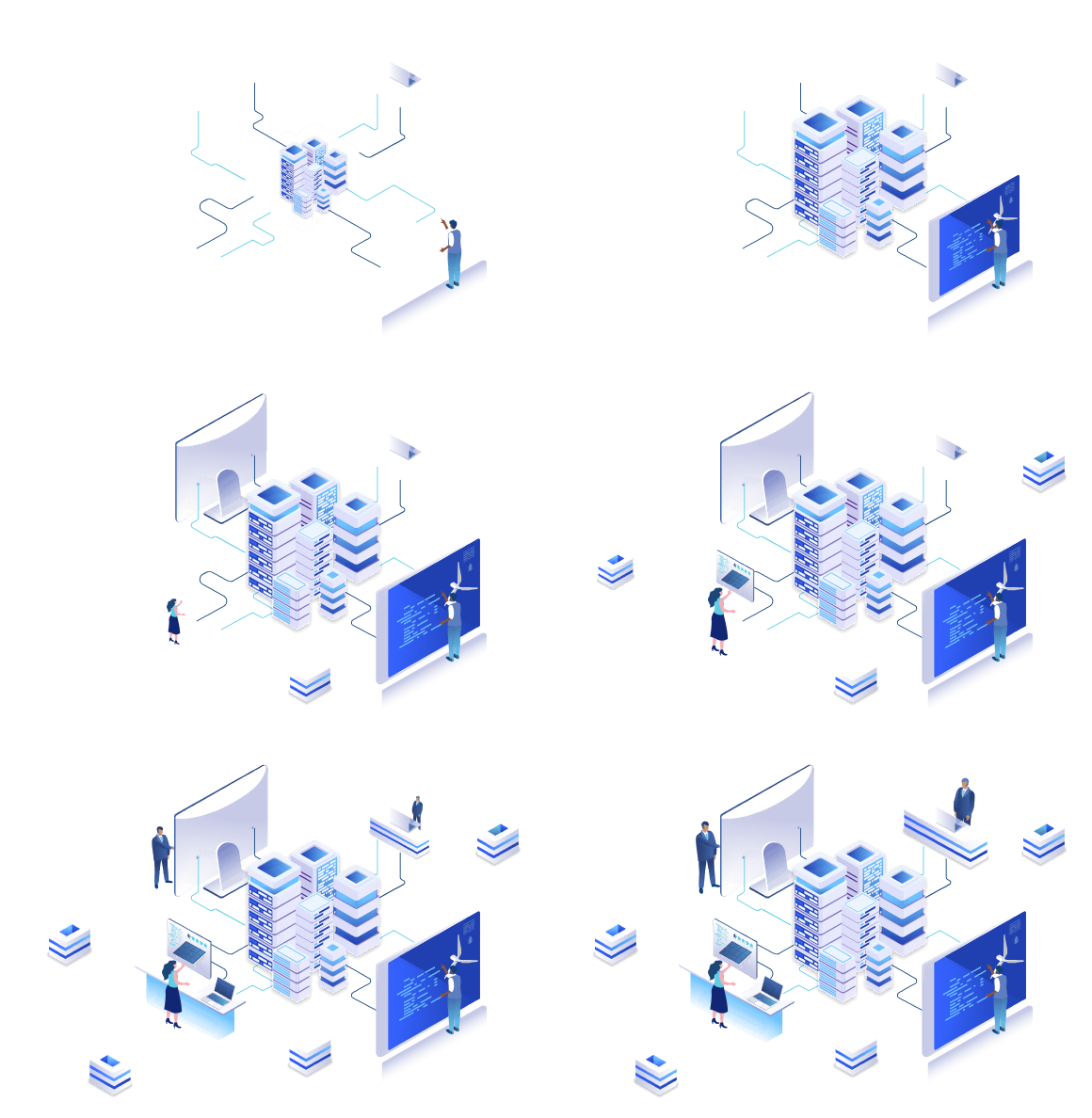
Build resilient, high-performance infrastructure environments that support modern data platforms, AI workloads, and enterprise applications. Our approach focuses on scalable architecture, optimized resource management, and secure operational frameworks to ensure reliable system performance and long-term technological growth.


Strengthening Enterprise Infrastructure

Our infrastructure solutions help organizations build reliable and scalable technology environments that support evolving digital operations. We design modern architectures that enhance system performance, resilience, and operational stability across platforms. By optimizing computing resources and infrastructure frameworks, we ensure consistent availability and efficient workload management.

High-Performance Infrastructure

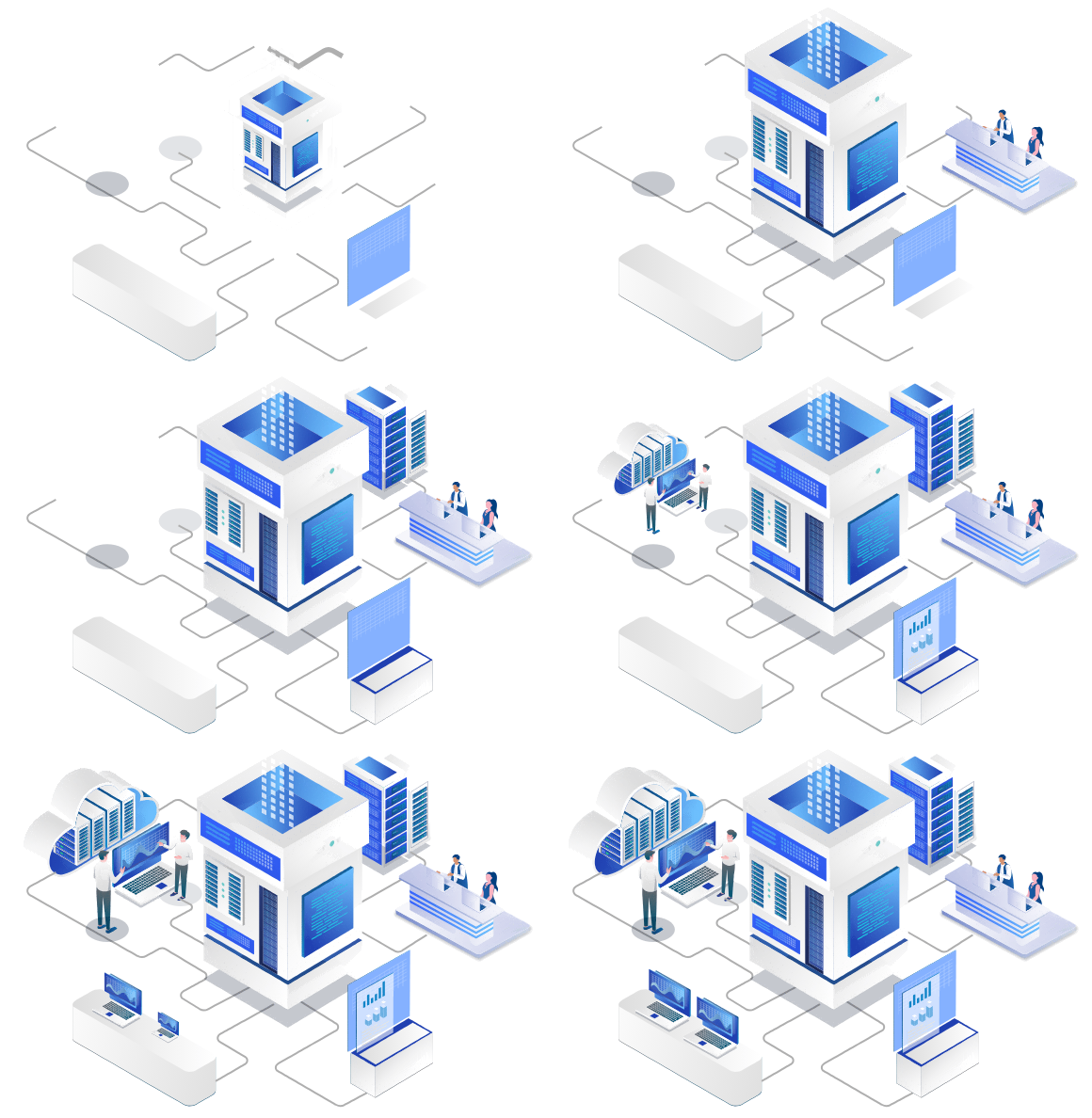
Design modern data center environments built for reliability, scalability, and operational stability, supporting demanding workloads with improved efficiency and resilience.

Infrastructure Layout Engineering

Plan and structure compute, storage, and networking components to deliver balanced performance across enterprise workloads.

Operational Reliability Planning

Design resilient systems that maintain service continuity through redundancy, fault tolerance, and proactive infrastructure management.

Sustainable Infrastructure Strategy

Implement optimized cooling, power distribution, and space utilization strategies to support efficient long-term operations.

Policy-Framework-Management
Data Synchronization
Cloud Support

Data Center Operational Capabilities

Strengthen infrastructure performance through specialized engineering practices that enhance system efficiency, monitoring visibility, and long-term scalability.

Workload Distribution Planning

Balance compute loads across infrastructure components to prevent performance bottlenecks.

Redundancy Architecture Design

Introduce failover and backup mechanisms that protect operations from unexpected disruptions.

Network Performance Engineering

Optimize connectivity frameworks to ensure stable and high-speed data transfer.

Storage Architecture Management

Organize storage environments to support efficient data access and lifecycle handling.

Infrastructure Health Monitoring

Track operational metrics to detect irregularities and maintain consistent system performance.

Future Capacity Modeling

Forecast infrastructure growth requirements to support expanding workloads.

Cloud Transformation Strategy

Guide organizations through structured cloud adoption while maintaining operational stability and financial transparency.

Migration Roadmap Development

Define structured transition strategies that move applications and data into cloud environments with minimal disruption.

Cloud Workload Alignment

Ensure workloads are positioned in the most suitable cloud services to maximize performance and efficiency.

Financial Visibility Frameworks

Establish clear financial monitoring practices to track cloud resource consumption and spending patterns.

API Integration
Model Risk Management
Cloud Support

Cloud Financial Operations Capabilities

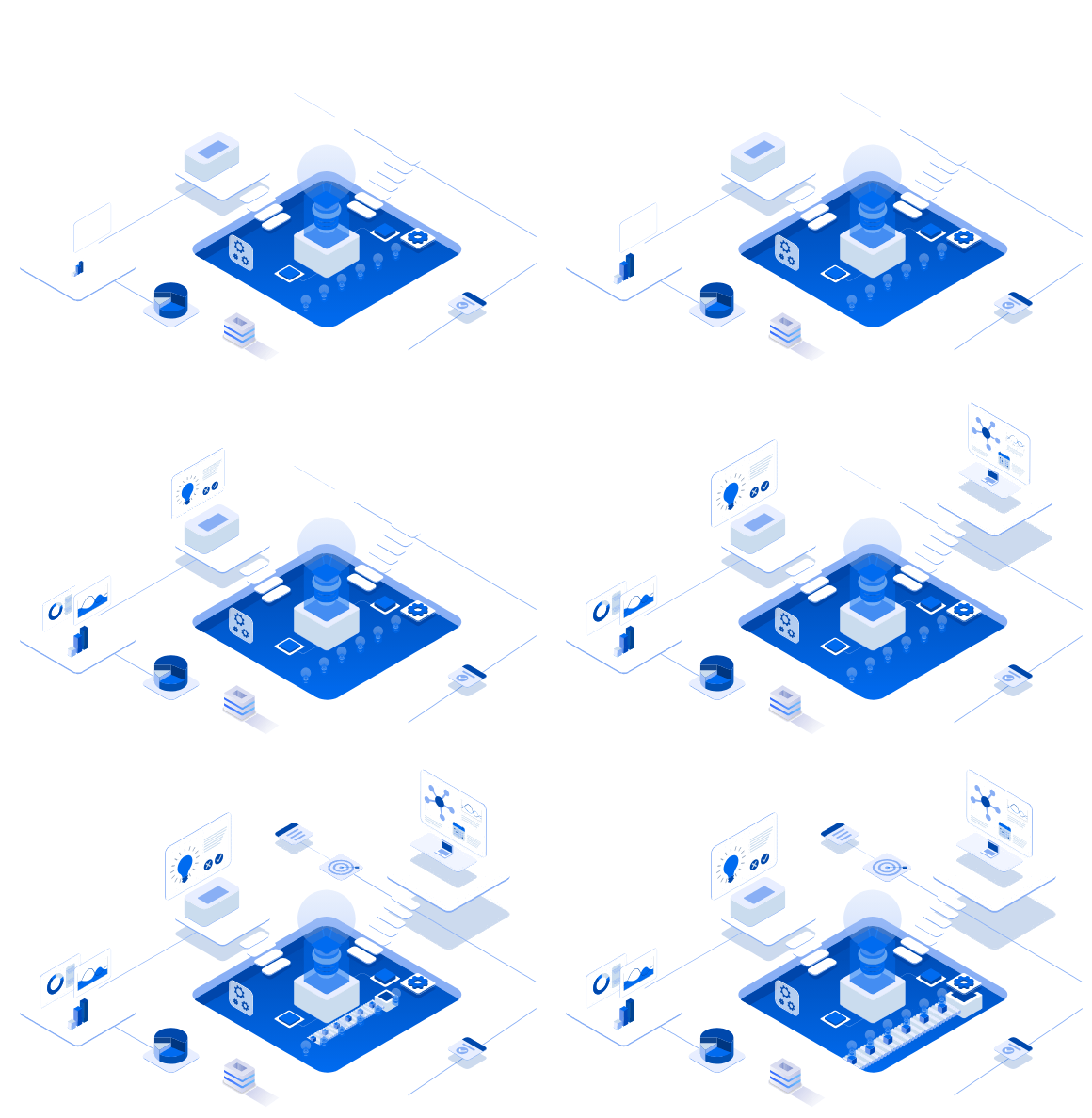
Improve financial accountability and operational efficiency within cloud environments through disciplined governance and optimization practices.

Resource Consumption Analysis

Evaluate usage patterns to understand how cloud services are being utilized.

Cost Governance Policies

Implement financial guardrails that maintain spending control across cloud teams.

Elastic Infrastructure Management

Automatically adjust compute resources to match workload demand.

Multi-Environment Coordination

Maintain operational consistency across hybrid or multi-cloud ecosystems.

Cloud Utilization Reporting

Provide detailed usage reports that support financial planning and operational decisions.

Investment Efficiency Planning

Develop strategies that maximize value from cloud infrastructure investments.

Infrastructure Cost Efficiency

Reduce infrastructure costs while maintaining reliable system performance through efficient resource optimization.

Usage Pattern Evaluation

Analyze system activity to identify areas where infrastructure resources are underused.

Efficiency Alignment Planning

Adjust infrastructure allocation to ensure resources match actual workload requirements.

Financial Oversight Practices

Introduce structured financial monitoring to keep infrastructure spending aligned with business goals.

API Integration
Data Synchronization
Cloud Support

Cost Management Capabilities

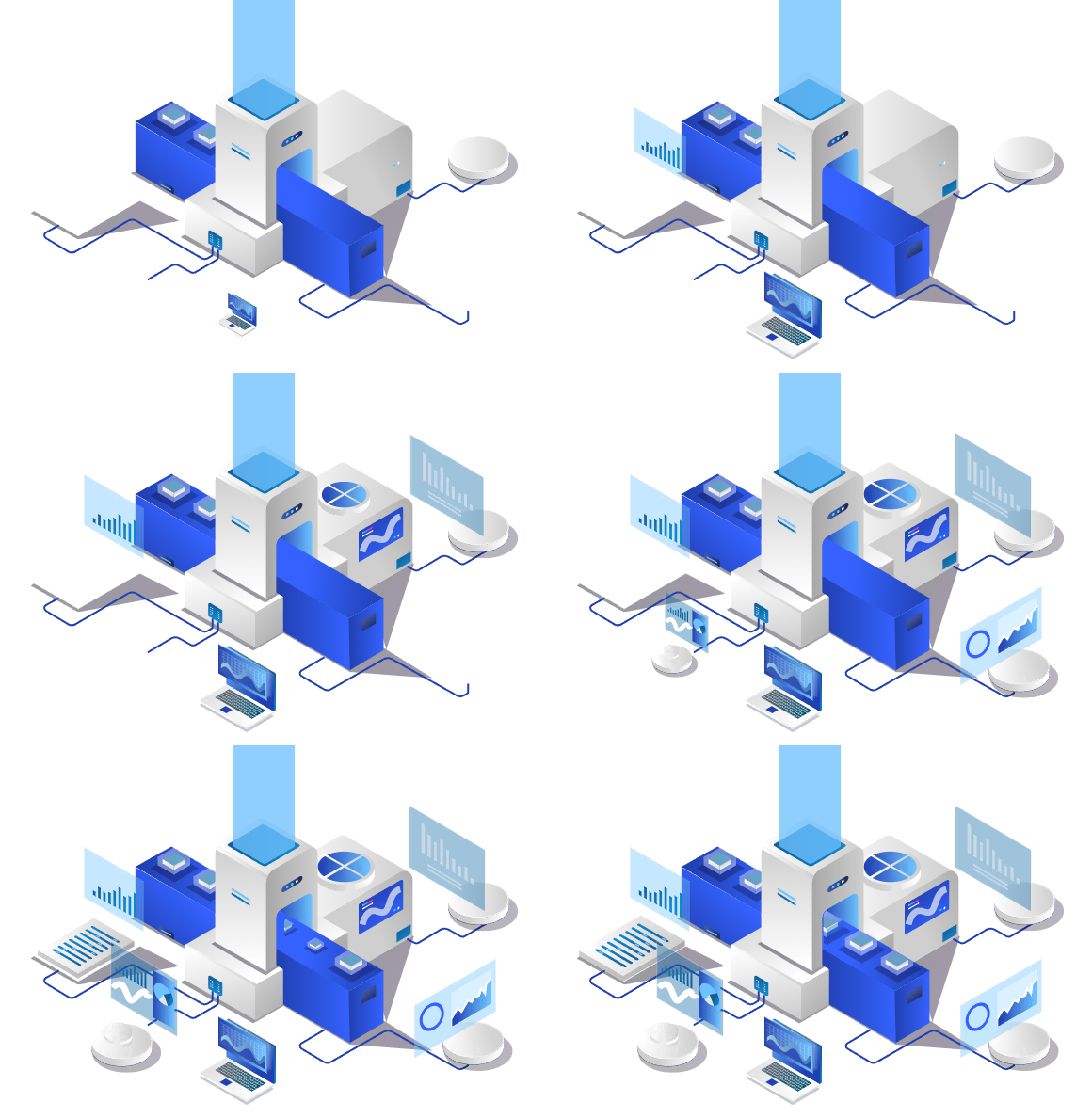
Improve financial efficiency by implementing disciplined infrastructure cost management strategies that focus on optimizing resource utilization, reducing unnecessary expenses, and ensuring technology investments deliver measurable business value.

Operational Spend Analysis

Evaluate infrastructure costs across systems to identify savings opportunities.

Resource Configuration Adjustments

Modify infrastructure sizing to eliminate over-provisioned capacity.

Inactive Asset Identification

Detect unused resources and safely remove them from the environment.

Vendor Agreement Optimization

Review contracts and service plans to ensure competitive pricing and appropriate service levels.

Automated Budget Notifications

Create alerts that notify teams when spending approaches defined thresholds.

Strategic Cost Forecasting

Model future infrastructure investments to support sustainable financial planning.

Business Impact

Robust infrastructure solutions provide the foundation for reliable operations, optimized performance, and long-term technology scalability across enterprise environments.

Operational Reliability

Well-designed infrastructure ensures consistent system availability and minimizes operational disruptions.

Efficient Resource Utilization

Optimized resource allocation improves performance while reducing unnecessary infrastructure costs.

Tech Ecosystem

Looking for a Technology Partner?

Have you become curious and would now like personal contact? Then send us an inquiry using the form provided, or contact us directly.

Business Enquiries

Career Queries